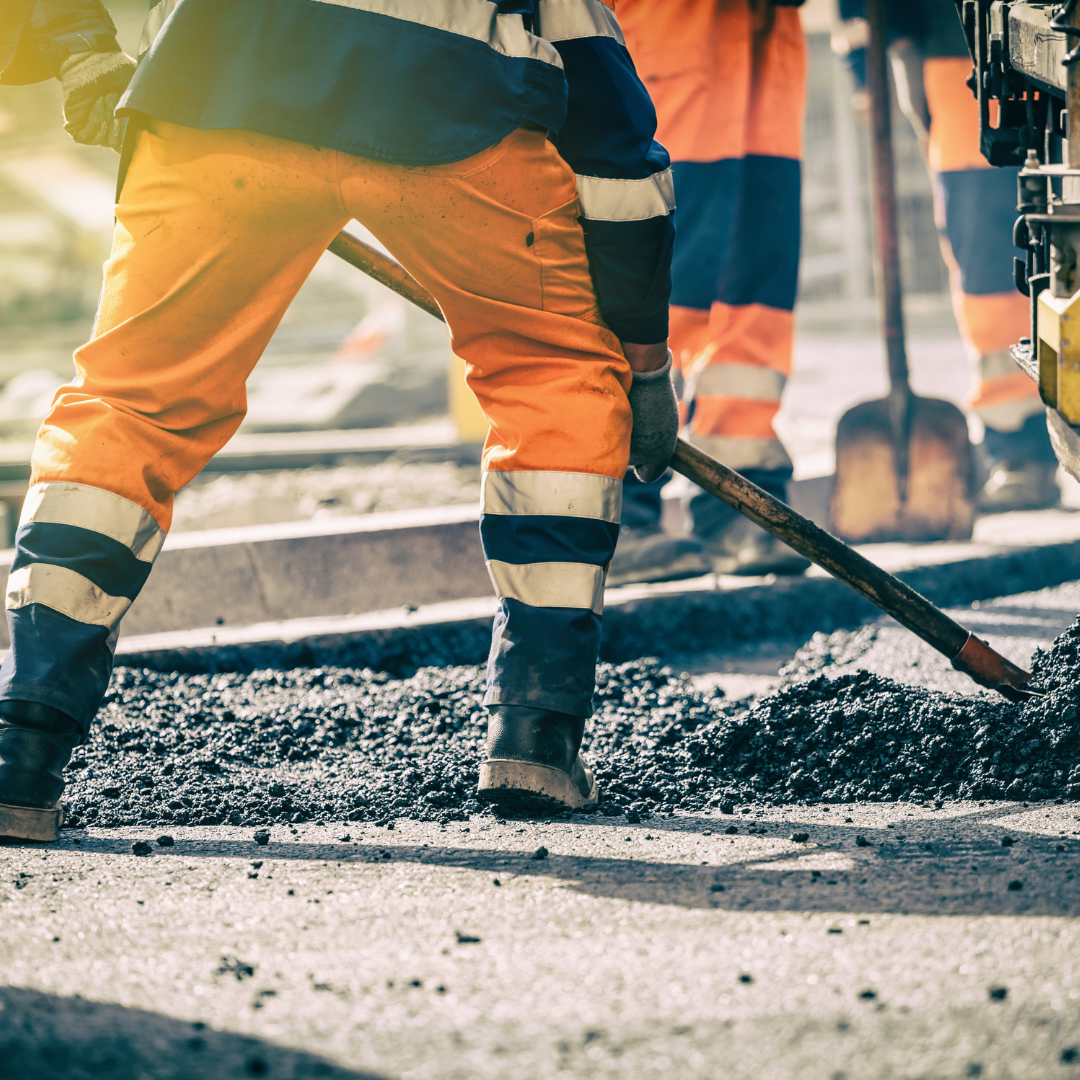
If you’ve ever driven past cones and wondered, “Why is this taking so long?” or “Who decides this stuff?” you’re not alone. Transportation projects don’t just appear overnight. Every improvement led by the Atlanta Department of Transportation goes through a structured, multi-phase process designed to prioritize safety, funding, feasibility, and community input.
Here’s what actually happens behind the scenes.
Phase 1: Identifying the Need
Every project starts with a problem. That problem may be identified through:
• Crash data and safety trends
• Resident complaints and 311 requests
• Traffic studies
• Community meetings
• Equity and access evaluations
• Coordination with other City departments
• Federal or state safety initiatives
For example:
• A corridor with a high number of pedestrian injuries
• A neighborhood requesting traffic calming
• A street missing sidewalks near a school
Projects are not typically chosen based on volume of complaints alone. Data plays a major role in prioritization.
Phase 2: Feasibility & Preliminary Evaluation
Before anything is designed, the City evaluates:
• Who owns the roadway (City vs. State vs. Private)
• Existing right-of-way width
• Utility conflicts
• Drainage and grading constraints
• Traffic volumes
• Funding availability
• Environmental or historic considerations
Not every idea moves forward. Some streets simply cannot accommodate certain improvements due to space, ownership, or cost constraints.
This stage determines:
Is the project realistic?
Phase 3: Planning & Concept Development
If a project is viable, planners and engineers begin developing early concepts.
This may include:
• Concept drawings
• Traffic modeling
• Preliminary cost estimates
• Safety impact analysis
• Bike and pedestrian evaluations
• Coordination with MARTA or state agencies if applicable
This is where big decisions get shaped:
• Will this be a road diet?
• Are we adding bike lanes?
• Is signal timing being adjusted?
• Are speed tables appropriate?
At this stage, nothing is final.
Phase 4: Community Engagement
Public input matters. And this is often where projects evolve.
Engagement may include:
• Public meetings
• Virtual surveys
• Stakeholder briefings
• Neighborhood association presentations
• Online comment portals
Residents may raise concerns about:
• Parking removal
• Traffic diversion
• Construction timing
• Business access
Feedback doesn’t automatically cancel projects, but it can influence design refinements. This phase builds transparency and trust.
Phase 5: Final Design & Engineering
Now the technical details get serious.
Engineers produce:
• Detailed construction drawings
• Drainage plans
• Signal plans
• Pavement marking layouts
• ADA compliance documentation
• Utility relocation coordination
• Cost refinements
This phase can take months depending on project size. Large corridor redesigns can take a year or more in design alone.
Phase 6: Funding & Procurement
Projects must be funded before construction begins.
Funding sources may include:
• City capital budgets
• Federal grants
• State funding
• Special programs (like safety initiatives)
Once funded:
• The project goes through procurement
• Contractors submit bids
• A contractor is selected
• Contracts are executed
Public procurement rules ensure fairness and compliance. That process alone takes time.
Phase 7: Pre-Construction Coordination
Before crews show up, there’s still more coordination happening:
• Utility companies mark and relocate lines
• Traffic control plans are finalized
• Construction schedules are developed
• Communication plans are prepared
• Adjacent property owners are notified
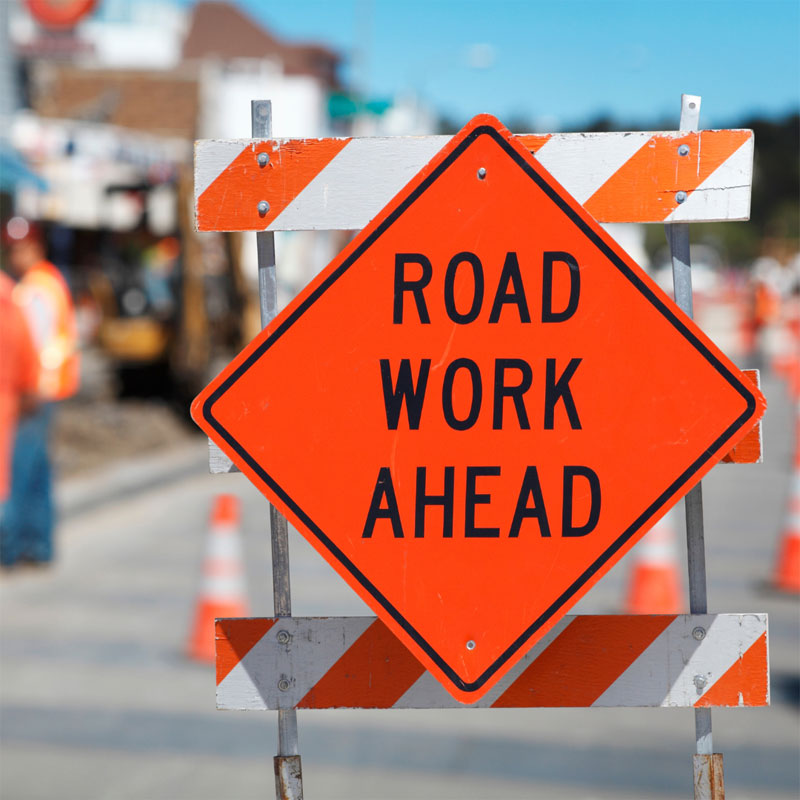
If you’ve ever wondered why cones appear before work begins, this is why.
Phase 8: Construction & Inspection
Now the visible work begins. Depending on the project, this could include:
• Milling and resurfacing
• Sidewalk installation
• Signal upgrades
• Striping and pavement markings
• Drainage installation
• Traffic calming device construction
While construction is happening, the city also:
• Inspects work
• Confirms compliance with plans
• Ensures ADA standards are met
• Reviews safety components
Construction timelines depend on:
• Weather
• Material availability
• Contractor staffing
• Utility conflicts
• Unexpected field conditions
Temporary striping may be installed first. Final striping often comes later once asphalt cures. This is also when residents feel the impact most.
Phase 9: Completion & Monitoring
Once construction wraps:
• Final striping is installed
• Signals are fully activated
• Barriers are removed
• The project is closed out
But the work doesn’t stop there. ATLDOT monitors:
• Traffic flow
• Crash trends
• Community feedback
• Maintenance needs
Some projects are adjusted after implementation based on real-world performance.
Why Projects Take Time
Transportation projects involve:
• Data
• Engineering
• Public input
• Funding
• Legal procurement
• Utility coordination
• Safety compliance
Skipping steps leads to unsafe streets or legal issues. Good projects take time because they are designed to serve thousands of people safely, not just solve one complaint quickly.
The Big Picture
When you see cones, striping changes, or construction delays, you are seeing the visible end of a long, structured process. Behind every improvement is months or years of planning, coordination, and review.
Transportation is not just asphalt. It’s safety, access, equity, engineering, funding, and community collaboration working together.