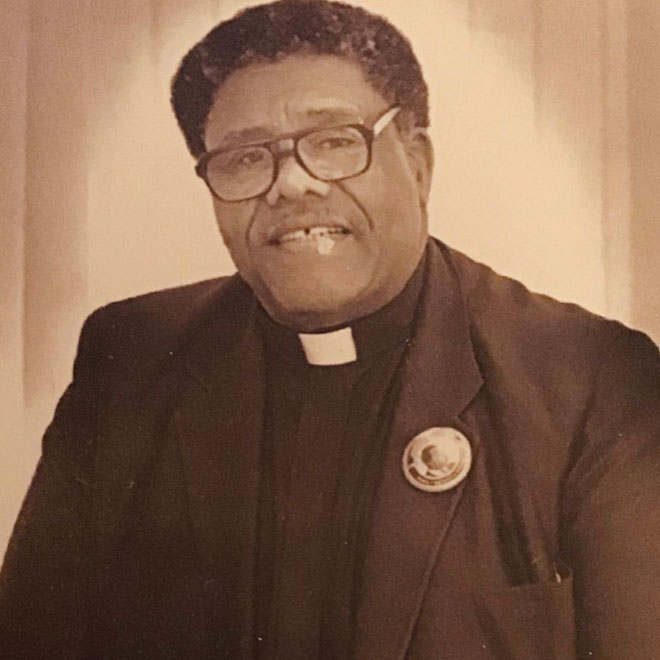
Joseph Everhart Boone (1922–2006) was an Atlanta-based civil rights organizer and pastor known for helping lead local efforts to desegregate businesses and expand economic opportunity. Often called “the picketing preacher,” Boone was a key figure in the Atlanta Movement and worked alongside major civil rights leaders of his era.
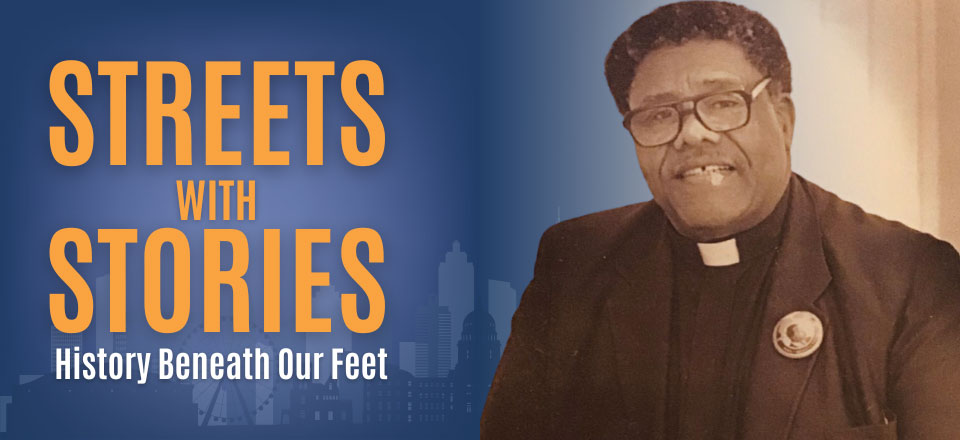
Joseph Everhart Boone was born on September 19, 1922, in Cedartown, Georgia, and later built a life of ministry and activism rooted in Atlanta. His public legacy is closely tied to the way faith leadership powered civil rights organizing in the city, not only through speeches and sermons, but through direct action that pushed institutions to change.
Boone became widely known for his visible, persistent activism during the Civil Rights era, earning the nickname “thepicketing preacher.” He is documented as an important participant in the Atlanta Movement, the early 1960s campaign that helped bring about the desegregation of lunch counters, department stores, and other public accommodations in Atlanta. His work reflects the kind of local leadership that made national progress possible: coalition-building, negotiation, and organized pressure applied consistently over time.
As a pastor, Boone served in ministry roles that placed him at the center of community life and civic engagement. He was pastor of Rush Memorial Congregational Church in Atlanta for decades, and hisl eadership connected the church’s mission to broader civil rights and human rights efforts. He also contributed to the movement’s economic justice work, including serving as a chief negotiator for Operation Breadbasket, an initiative associated with the SCLC that focused on jobs and economic opportunity.
Joseph E. Boone Boulevard was named by the City of Atlanta in 2008 to honor Boone’s impact and legacy. That naming matters because it elevates a leader whose work was deeply local, deeply Atlanta, and deeply connected to the everyday spaces where change actually happened.
Today, Joseph E. Boone Boulevard stands as a reminder that civil rights history is not only found in famous speeches or national headlines. It is also built through sustained community leadership, courage, and organized action, often led by people whose names deserve to be known just as widely as the causes they fought for.