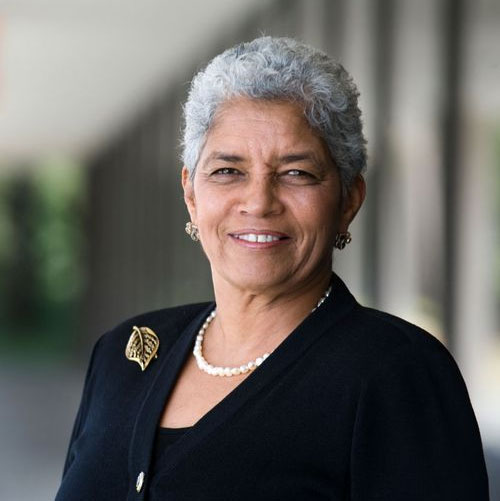
Shirley Clarke Franklin served as mayor of Atlanta from 2002 to 2010, making history as the city’s first woman mayor and the first Black woman to lead a major Southern city. Her tenure is defined by restoring public trust in city government, stabilizing Atlanta’s finances, and leading long-term reforms that reshaped how the city plans, builds, and governs.
Shirley Clarke Franklin was born in 1945 in Philadelphia. After graduating from Howard University and earning a master’s degree from the University of Pennsylvania, Franklin built a career in public service that emphasized operational excellence, accountability, and long-term planning. Before becoming mayor, she served as Atlanta’s Chief Administrative Officer, giving her deep familiarity with the city’s internal systems and infrastructure needs.
Franklin was elected mayor in 2002, inheriting a city facing severe financial strain and decades of deferred infrastructure maintenance. One of the most consequential challenges of her tenure was Atlanta’s failing water and sewer system, which had fallen out of compliance with federal environmental regulations. Under her leadership, the city launched a multi-billion-dollar infrastructure rehabilitation program to repair, replace, and modernize underground systems. This work was essential not only for environmental compliance, but for protecting public health and preserving Atlanta’s street network above ground.
These investments had direct impacts on Atlanta’s transportation system. Coordinating large-scale underground repairs required extensive street restoration, resurfacing, and long-term capital planning, reinforcing the connection between infrastructure below the surface and the streets people rely on every day. Franklin’s administration helped establish the foundation for modern asset management practices and interdepartmental coordination that continue to shape how Atlanta plans, builds, and maintains its streets today.
Beyond physical infrastructure, Franklin restored fiscal discipline to city government, improving Atlanta’s bond rating and strengthening its ability to fund major capital projects. Her emphasis on ethical governance, transparency, and long-range planning set new expectations for how the city approaches infrastructure, mobility, and public service.
The naming of Shirley C. Franklin Boulevard recognizes a mayor whose legacy is inseparable from Atlanta’s infrastructure renewal. It honors a leader who understood that safe, functional streets and systems are not just technical assets, but essential public goods that shape daily life, economic opportunity, and the city’s future.