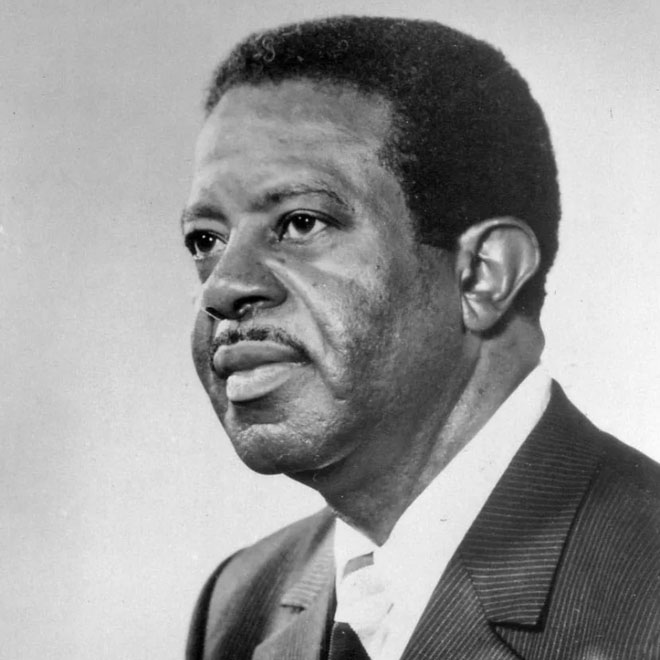
Ralph David Abernathy (1926–1990) was a Baptist minister and civil rights leader who worked side by side with Dr. Martin Luther King Jr. as one of the principal architects of the modern Civil Rights Movement. A trusted strategist and organizer, Abernathy played a central role in sustaining the movement’s leadership, vision, and momentum.
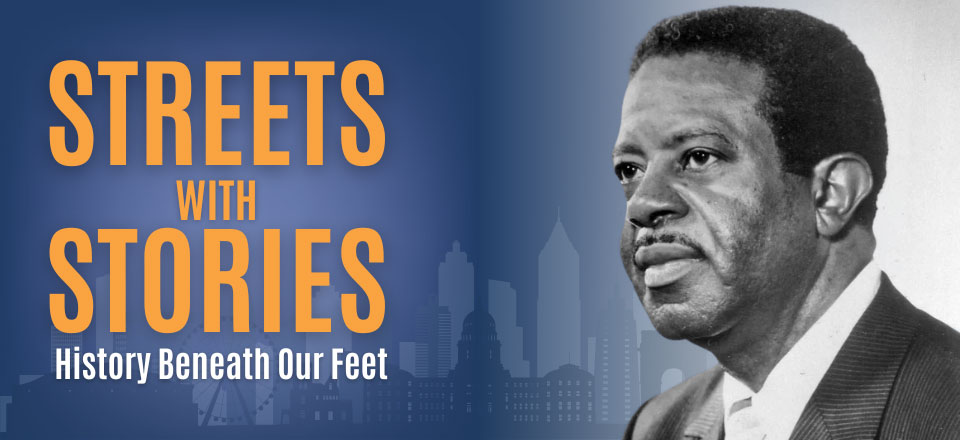
Ralph David Abernathy was born on March 11, 1926, in Linden, Alabama. He earned a degree in mathematics from Alabama State University and later completed a master’s degree in sociology at Atlanta University. His academic background, combined with his deep religious convictions, shaped his approach to social justice as both a moral and structural issue.
Abernathy’s activism emerged alongside his ministry. While serving as pastor of First Baptist Church of Montgomery, he became deeply involved in the Montgomery Bus Boycott of 1955–1956, working closely with Martin Luther King Jr. to sustain, and communicate the movement’s goals. The boycott marked the beginning of a life long partnership between the two men and established Abernathy as a key strategist and leader within the Civil Rights Movement.
In 1957, Abernathy co-founded the Southern Christian Leadership Conference (SCLC) with King and other ministers, helping to formalize a coordinated, nonviolent approach to civil rights activism across the South. When the SCLC later moved its headquarters to Atlanta, Abernathy became deeply connected to the city, reinforcing its role as a national center for civil rights leadership and organizing.
Throughout the late 1950s and 1960s, Abernathy participated in and helped lead major campaigns in Birmingham, Selma, St. Augustine, and Chicago, often facing arrest, violence, and intimidation. He was present during many of the movement’s most defining moments, including the 1963 March on Washington and the Selma to Montgomery marches, where public streets and bridges became symbols of resistance, sacrifice, and democratic demand.
After the assassination of Dr. King in 1968, Abernathy assumed leadership of the SCLC, guiding the organization through a period of national mourning and transition. He continued to advocate for civil rights, economic justice, and the Poor People’s Campaign, expanding the movement’s focus beyond segregation to include poverty and systemic inequality.
Ralph David Abernathy’s legacy is one of steadfast leadership, moral courage, and unyielding commitment to justice. The naming of Ralph David Abernathy Boulevard honors a leader whose work helped shape Atlanta’s identity as a city of civil rights, reminding those who travel the corridor that progress often requires persistence, partnership, and profound personal sacrifice.