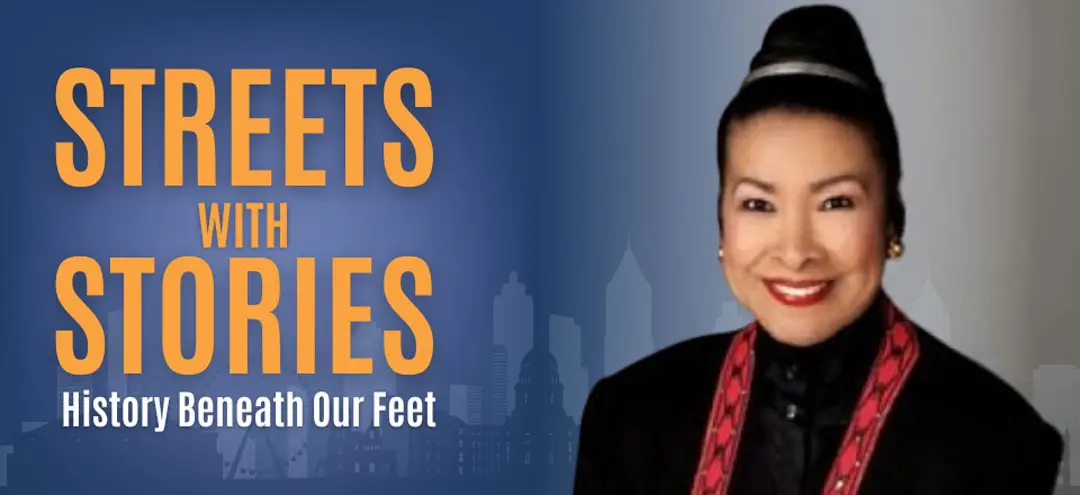
Xernona Clayton was born on August 30, 1930, in Muskogee, Oklahoma. After earning a degree from Tennessee State University, she began a career dedicated to community service and advancing civil rights.
Clayton moved to Atlanta during the height of the Civil Rights Movement and quickly became championed with some of the era's most influential leaders. She worked closely with Dr. Martin Luther King Jr., helping to organize events and support the efforts of the Southern Christian Leadership Conference (SCLC). In 1966, Clayton coordinated the Doctors' Committee for Implementation, a group of African American physicians who forced the desegregation of all Atlanta hospitals. Her work behind the scenes helped strengthen the movement's ability to mobilize communities and advocate for social change.
While Clayton's contributions to civil rights were significant, she is best known for breaking barriers in the media industry. In 1967, she became the first Black woman in the South to host her own television program, The Xernona Clayton Show. At a time when opportunities for Black women in television were extremely limited, her presence on screen challenged stereotypes and opened doors for future generations of media professionals. By the early 1980s, she became the first black woman corporate executive at Turner Broadcasting System (TBS). Clayton later founded the Trumpet Awards, an annual program televised by TBS that recognizes the accomplishments of African Americans in various fields.
Throughout her career, Clayton used media as a tool to promote understanding and dialogue. One of her most notable accomplishments was helping to convince a former leader of the Ku Klux Klan to renounce racism and leave the organization, a story that later became a national example of the power of conversation and human connection to create change.
Clayton's influence extends far beyond any single organization or accomplishment. She has spent her life creating opportunities for others and demonstrating how leadership can take many forms. Her work helped make Atlanta a city where conversations about equity, opportunity, and inclusion could move from aspiration to action.
The naming of a street in honor of Xernona Clayton recognizes a woman whose impact can be felt across multiple generations. It celebrates a leader who broke barriers and used her voice to help shape a more inclusive Atlanta. Her legacy serves as a reminder that progress is often achieved not only through protest and policy, but also through dialogue and the courage to challenge the status quo.